Center for Digestive Health & Women's Wellness
 01
01
 02
02
 03
03
 04
04
 05
05
 06
06
 07
07
 08
08
 09
09
 10
10
 11
11
 12
12
 13
13
 14
14
 15
15
 16
16
 17
17
 18
18
 19
19
 20
20
 21
21
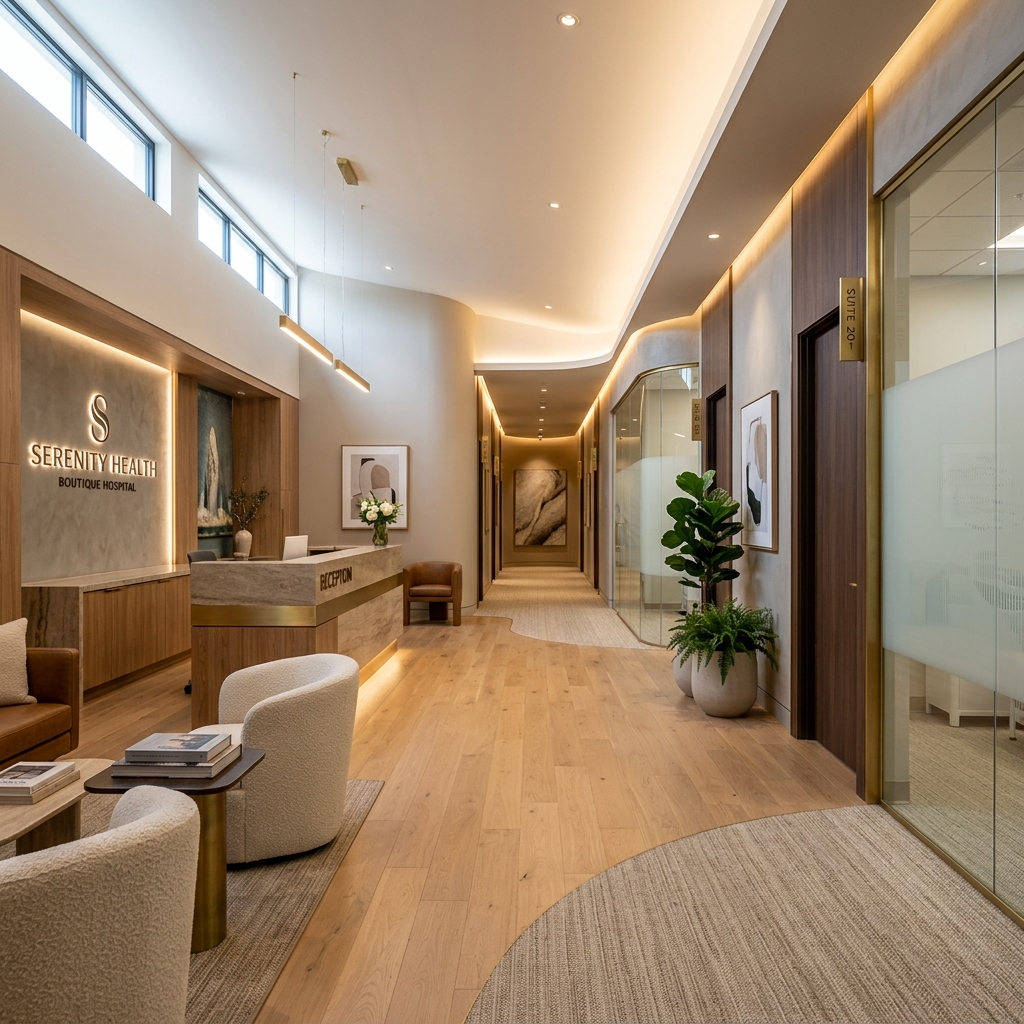
Gastro Edge at SPS Square, Sambhajinagar, bridges the gap between advanced super-specialty medicine and a personalized healthcare experience.
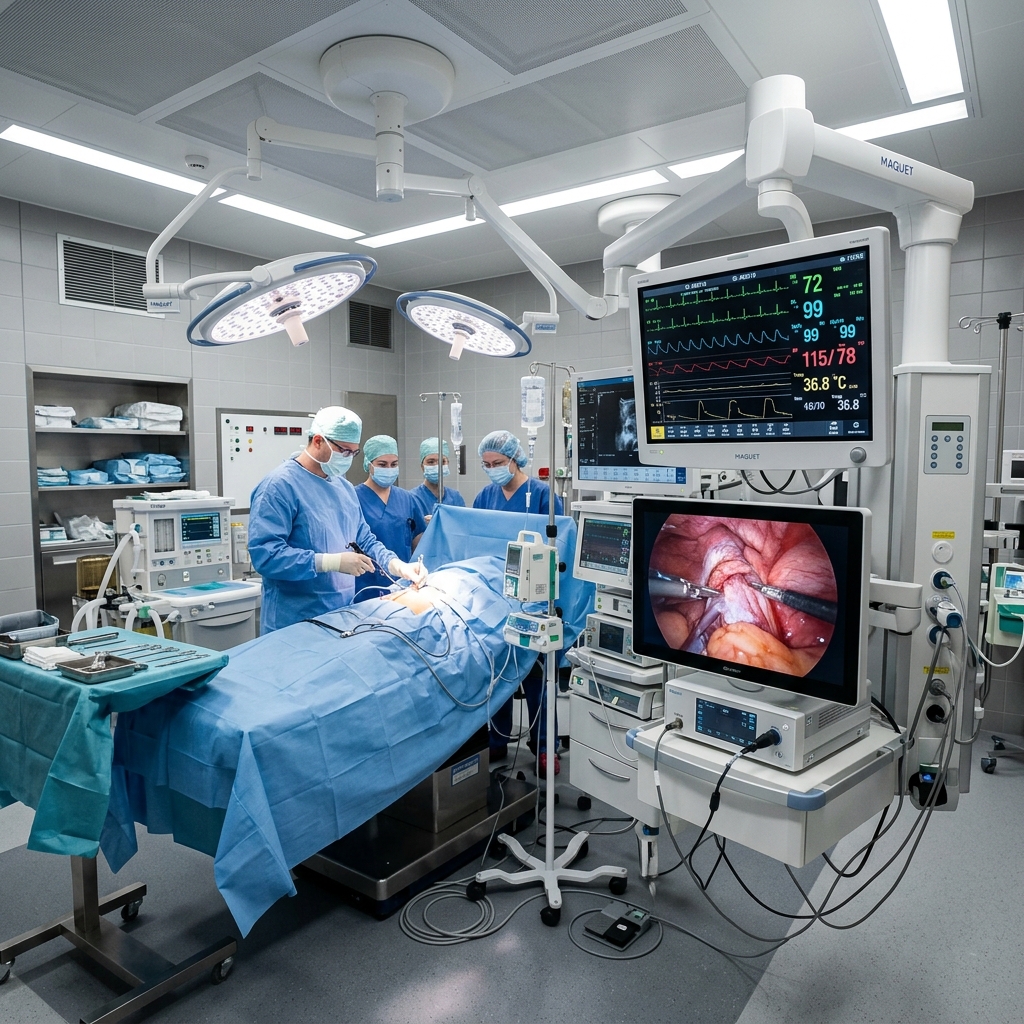
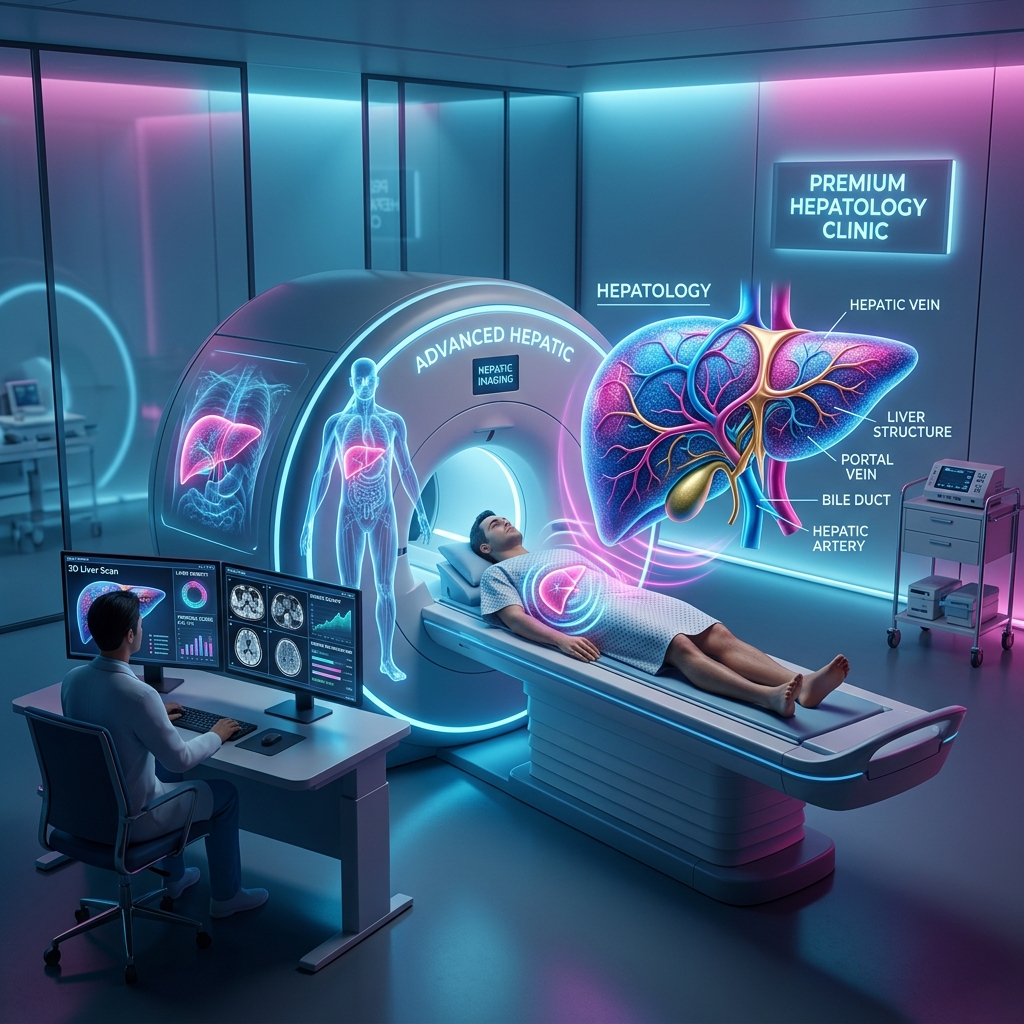
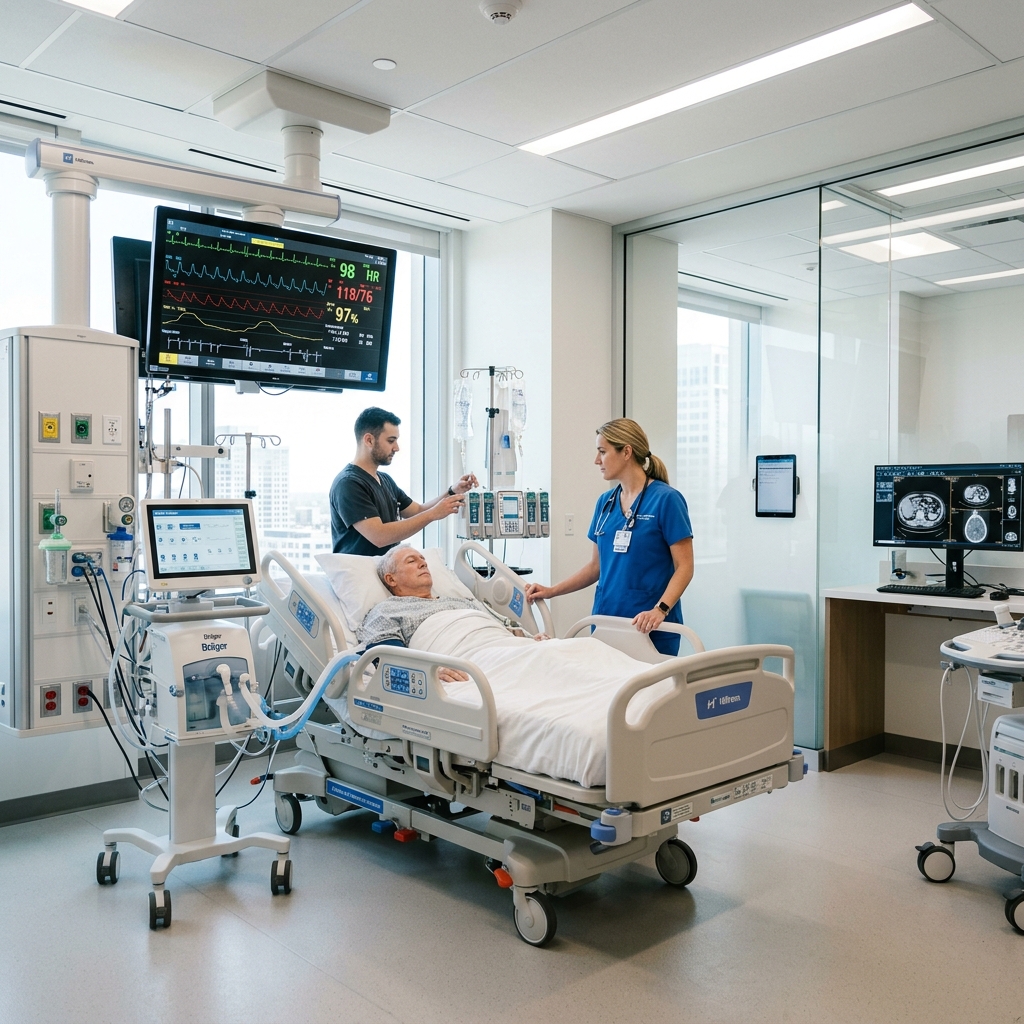
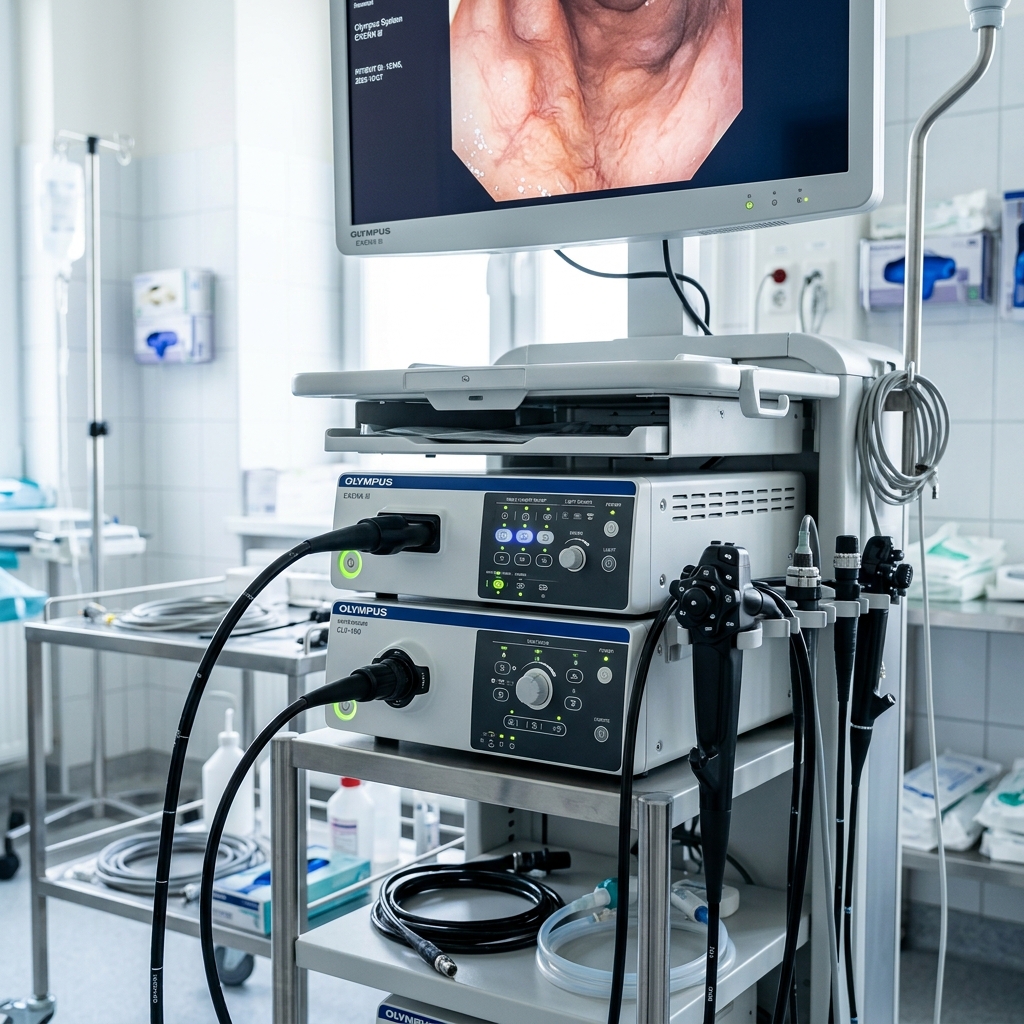
We believe that high-end surgical and diagnostic care should not feel clinical and cold. Our facility is meticulously designed to offer a calming, excellent environment while housing the most advanced endoscopic, hepatology, and surgical infrastructure available.
Everything you need to know about our super-specialty surgeries, maternity programs, diagnostics, and patient care protocols.
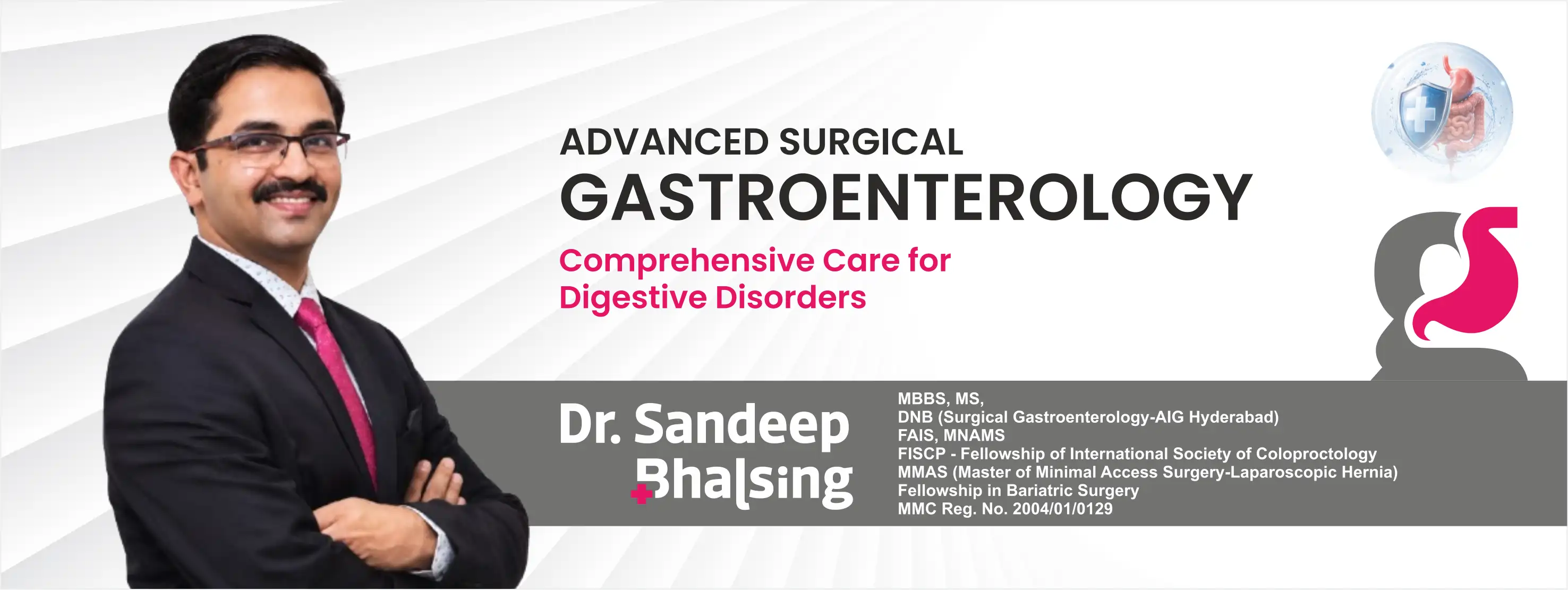
Dr. Sandeep Bhalsing is a Senior Surgical Gastroenterologist, HPB Surgeon, and GI Cancer Specialist in Chh. Sambhajinagar with 24+ years of surgical expertise. He specializes in advanced laparoscopic surgery, gastrointestinal cancer surgery, pancreatic surgery, liver surgery, colorectal surgery, and minimally invasive gastrointestinal procedures.
A surgical gastroenterologist treats conditions across the entire digestive tract: Acidity & GERD, gastritis, stomach & peptic ulcers, gallbladder stones, abdominal hernias, appendicitis, fatty liver, chronic liver diseases, pancreatitis, colon diseases, rectal bleeding/piles, IBS, chronic constipation, and gastrointestinal cancers.
You should visit a gastroenterologist if you experience persistent stomach pain, acidity lasting more than 2 weeks, difficulty swallowing, blood in stool, black tarry stools, vomiting blood, unexplained weight loss, chronic constipation, diarrhea lasting more than a week, or recurrent abdominal bloating.
GERD (Gastroesophageal Reflux Disease) occurs when stomach acid repeatedly flows back into the food pipe (esophagus). Typical symptoms include severe heartburn, chest burning sensation, sour regurgitation in the throat, difficulty swallowing, and a chronic dry cough.
Common causes for recurrent acidity include frequent consumption of spicy or fried foods, late-night heavy meals, smoking, alcohol, obesity, chronic mental stress, hiatus hernia, and excess consumption of tea or coffee.
Symptoms of gallstones typically include acute pain in the upper right abdomen (especially after eating oily or fatty food), nausea, vomiting, indigestion, fever, and in advanced or obstructive cases, jaundice.
No. Silent (asymptomatic) gallstones detected incidentally may only require periodic observation. However, gallstones that cause recurrent pain, inflammation (cholecystitis), infection, or blockage of the bile duct usually require laparoscopic gallbladder removal (cholecystectomy).
Laparoscopic surgery is a minimally invasive surgical procedure performed through tiny keyhole incisions (0.5–1 cm) using specialized slender instruments and a high-definition camera. Benefits include significantly less pain, rapid recovery, negligible scarring, lower infection rates, and shorter hospital stay (often 24–48 hours).
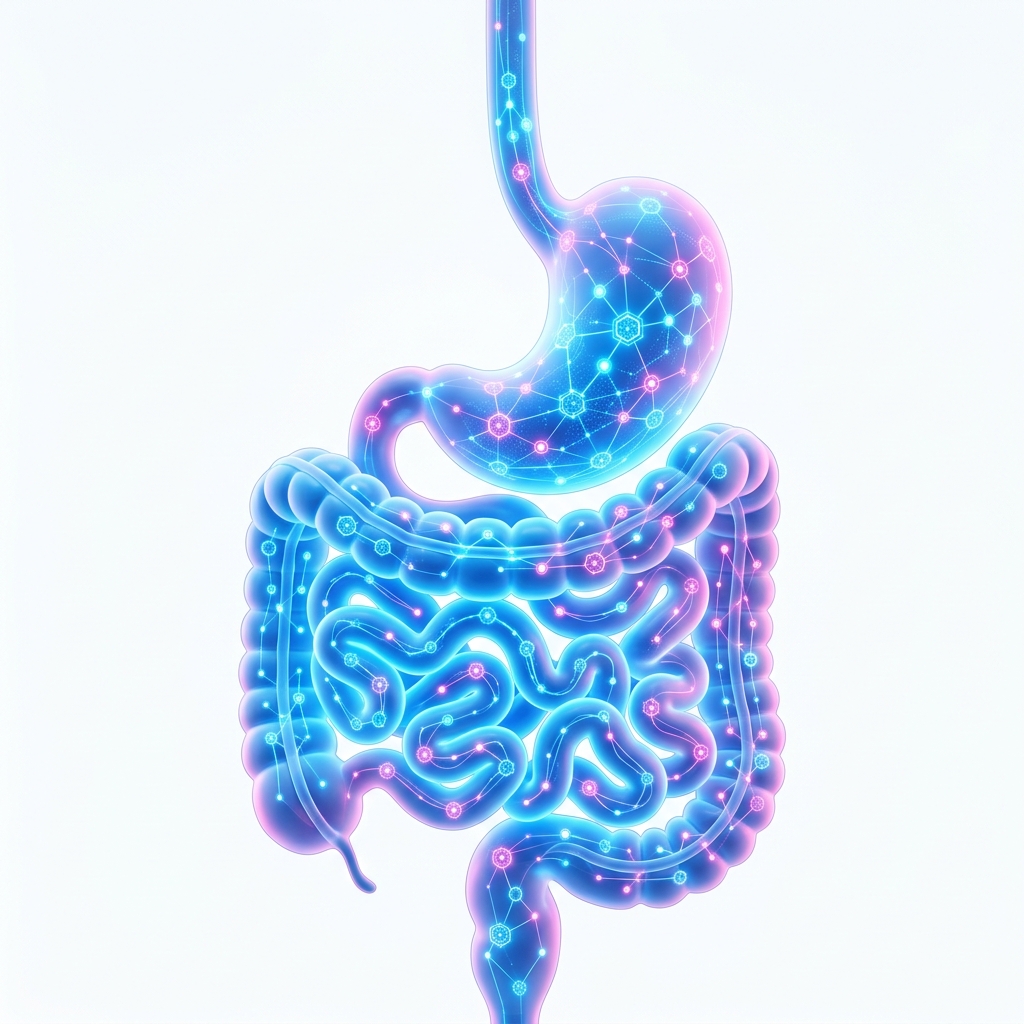
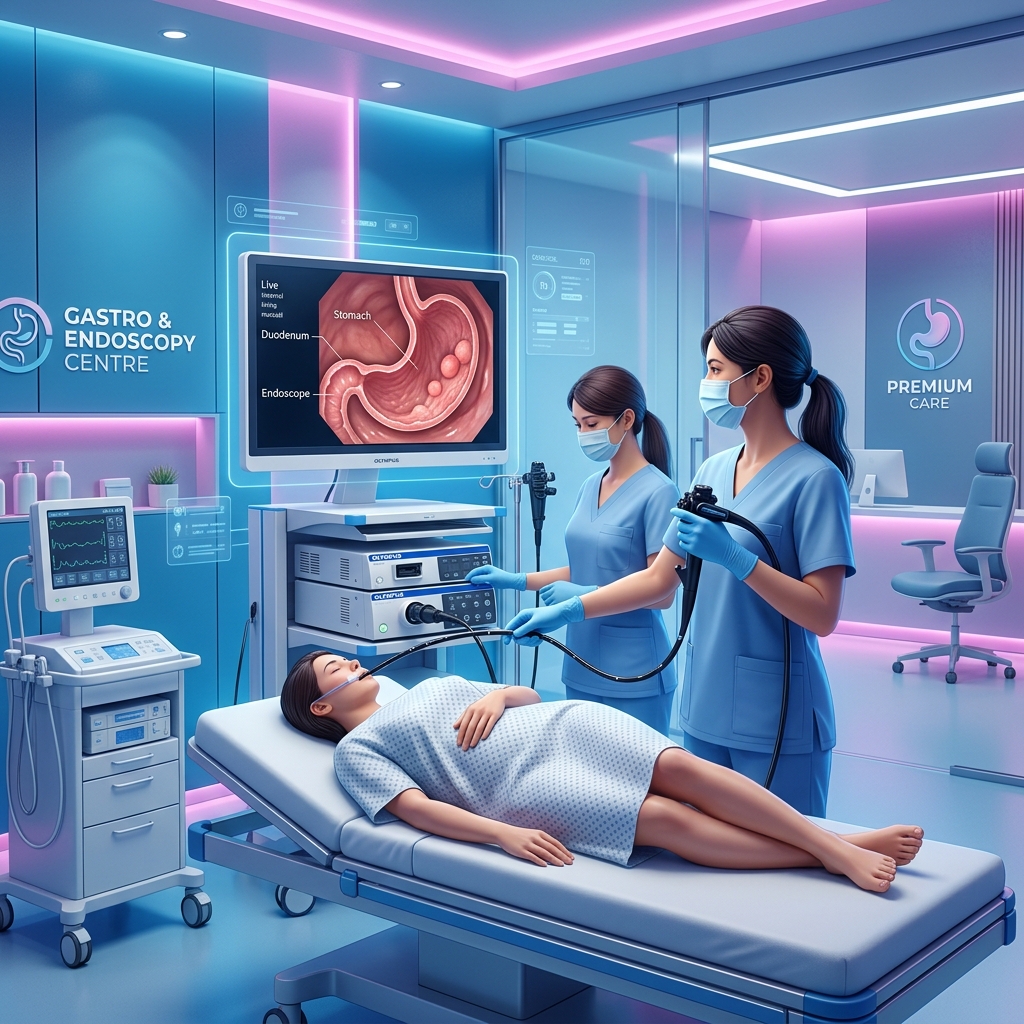
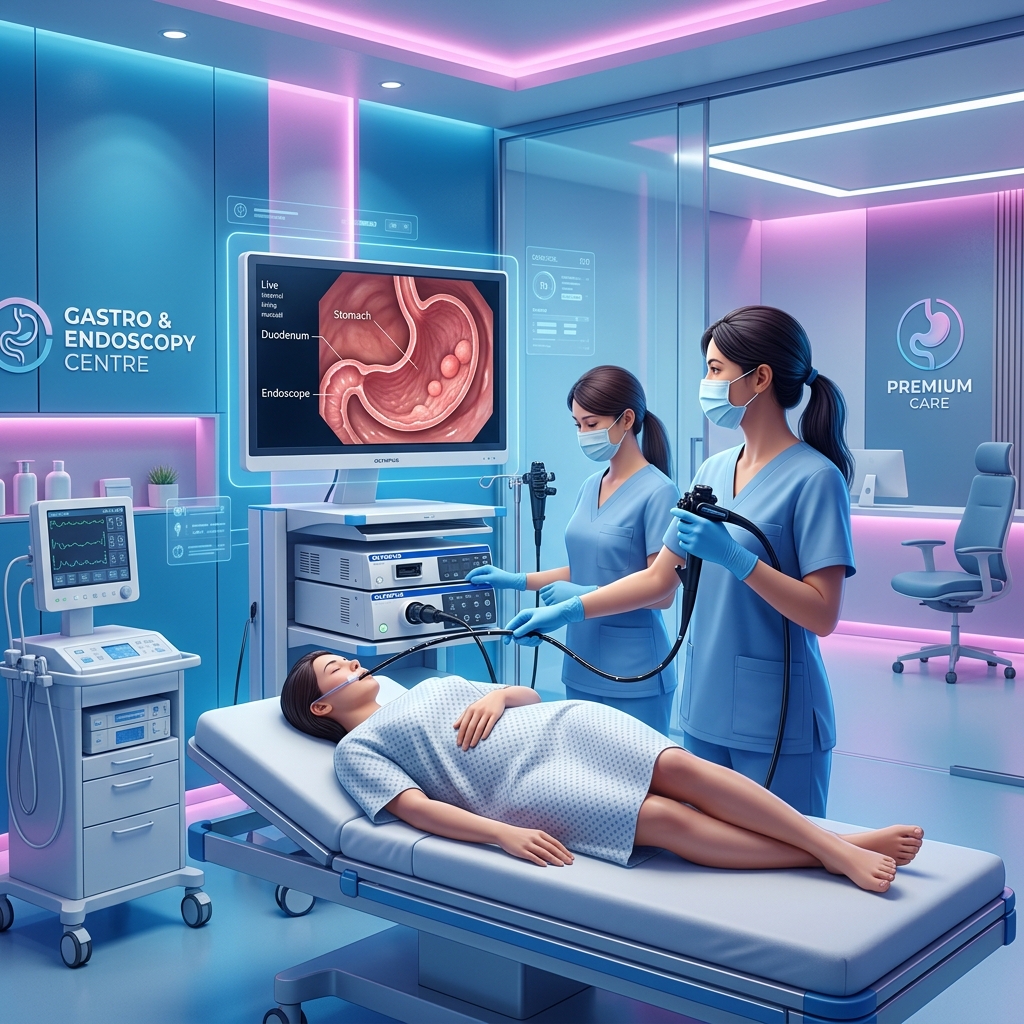
Upper GI endoscopy (Gastroscopy) is an optical diagnostic procedure used to examine the food pipe (esophagus), stomach, and first part of the small intestine (duodenum) to accurately diagnose acid reflux, ulcers, internal bleeding, H. pylori infection, polyps, and gastrointestinal cancers.
No. The procedure usually takes only 5 to 10 minutes and is very well tolerated. A local numbing throat spray and gentle relaxing sedation are administered so that patients feel minimal to no discomfort or gagging throughout the examination.
Doctors recommend a colonoscopy for investigating blood in stool, chronic constipation or diarrhea, screening for colorectal polyps and cancer (especially for individuals aged 45+ or with family history), unexplained lower abdominal pain, and evaluating inflammatory bowel disease (IBD).
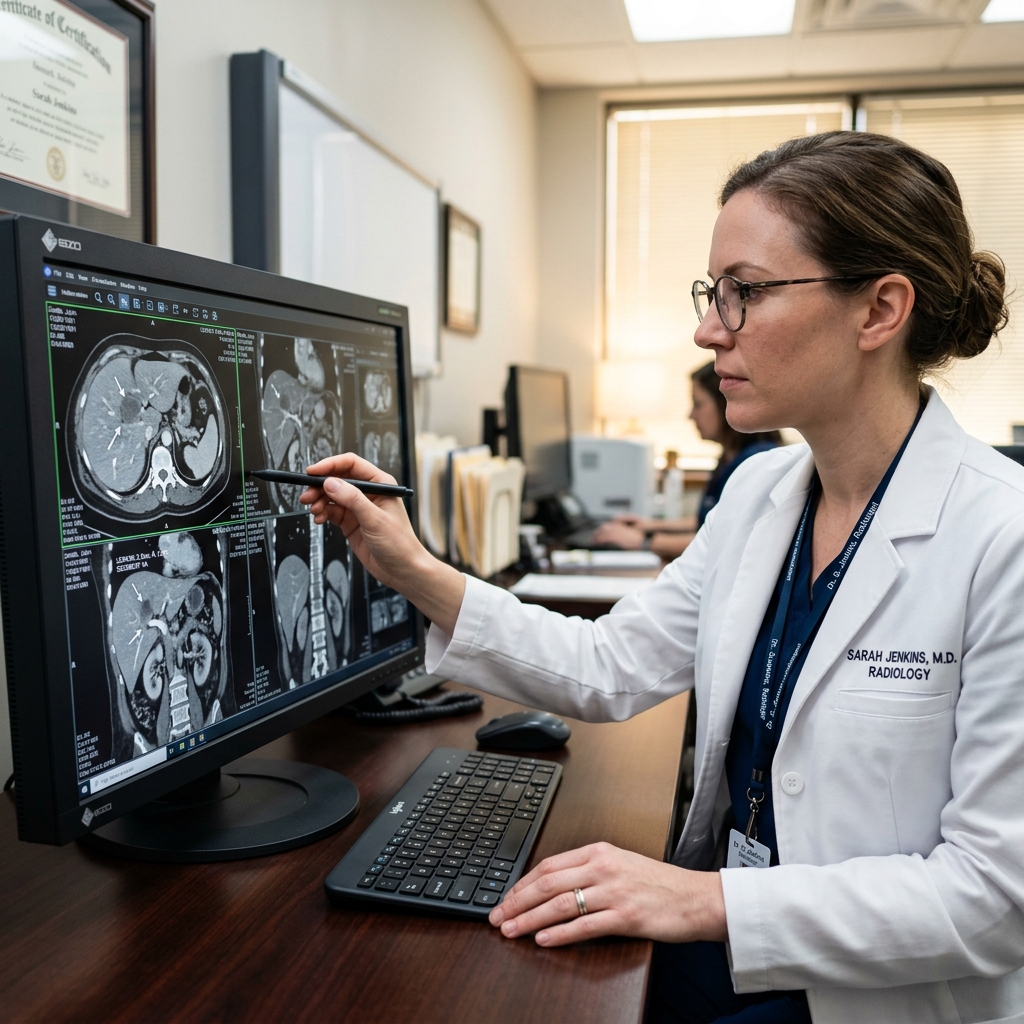
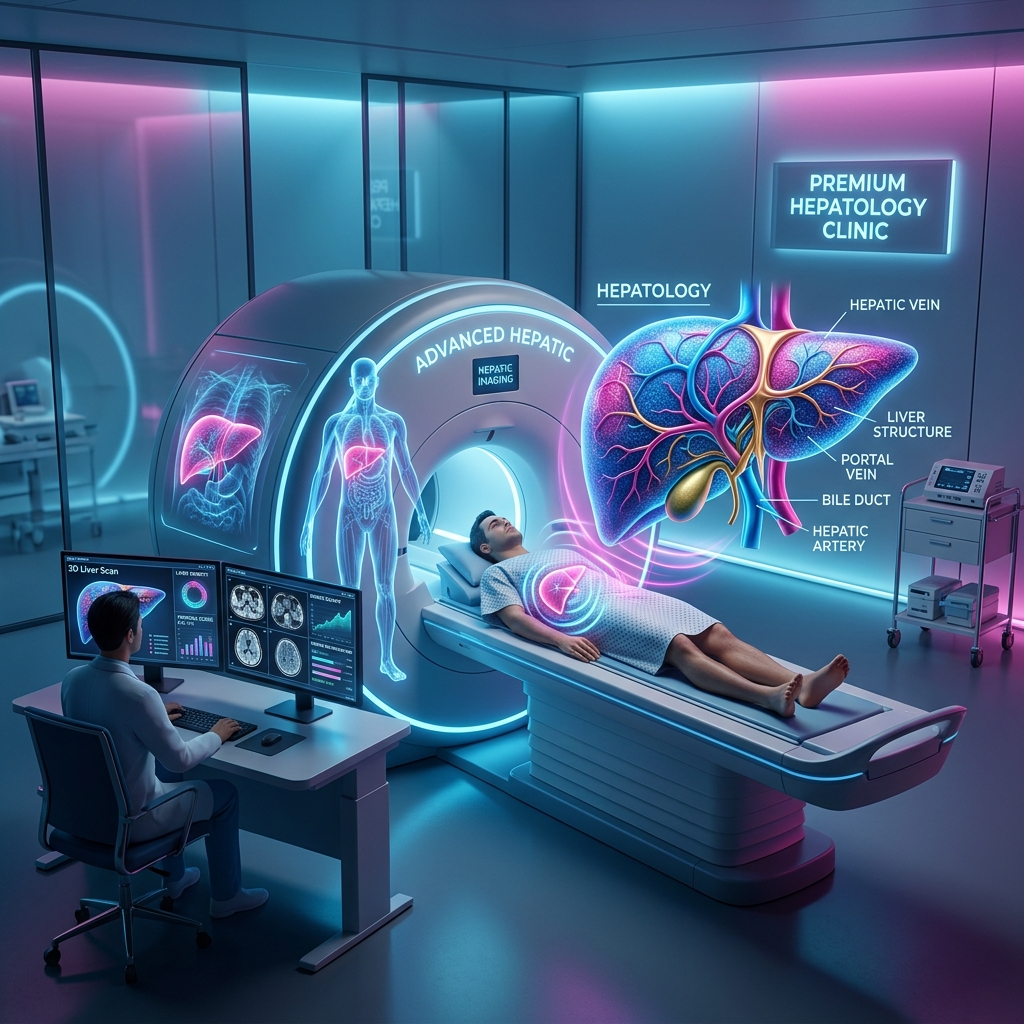
Key symptoms of liver dysfunction include yellowing of the skin and eyes (jaundice), swelling in the legs (edema) or abdomen (ascites), persistent fatigue, unexplained loss of appetite, dark-colored urine, pale stools, and easy bruising or bleeding.
Fatty liver occurs when excess fat accumulates in liver cells. Common contributing factors include obesity, Type 2 diabetes, high cholesterol and triglycerides, metabolic syndrome, sedentary lifestyle, and alcohol consumption.
Yes. Early-stage fatty liver (simple steatosis) is fully reversible with guided weight loss (7–10% of body weight), a balanced nutritious diet, daily exercise, strict blood sugar/lipid control, avoiding alcohol, and regular Fibroscan assessment.
Common causes of pancreatitis include migrating gallstones (gallstone pancreatitis), excessive alcohol intake, elevated blood triglycerides, certain medications, and ductal abnormalities. Treatment involves intensive medical stabilization, fluid resuscitation, pain control, and minimally invasive surgical management when indicated.
Warning signs include unexplained rapid weight loss, persistent vomiting, progressive difficulty or pain while swallowing, vomiting blood, black tarry stools, sudden loss of appetite, persistent indigestion, and prolonged upper stomach pain.
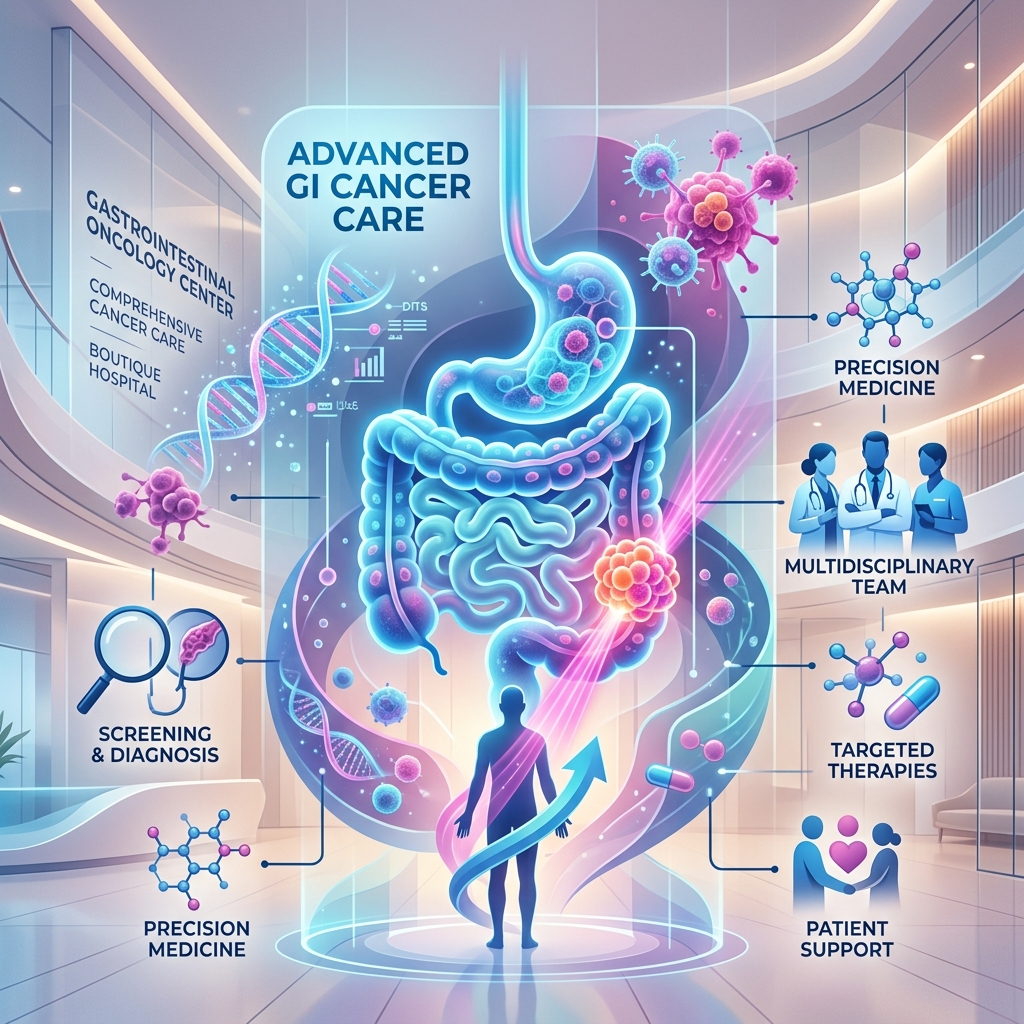
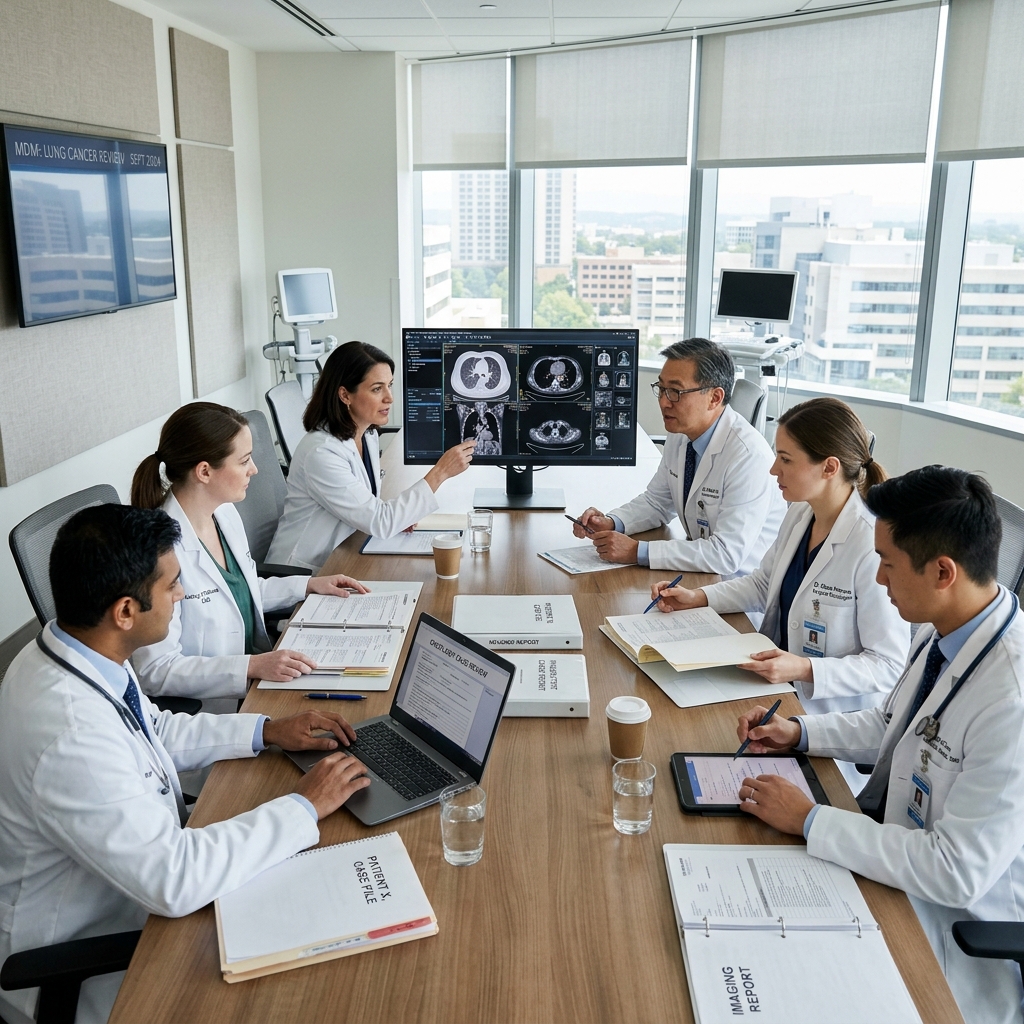
GI cancers include malignant tumors of the esophagus, stomach, liver, gallbladder, bile ducts, pancreas, colon, and rectum. When detected early, they are highly treatable with radical oncological surgeries, advanced laparoscopy, targeted therapy, and multidisciplinary cancer care.
Appendicitis causes acute pain starting near the navel that shifts to the lower right abdomen, accompanied by low fever, nausea, vomiting, and loss of appetite. Prompt laparoscopic appendectomy is essential to prevent appendix rupture and severe abdominal infection (peritonitis).
Hernia symptoms include a visible bulge or swelling in the groin or abdomen that increases on standing, coughing, or straining, accompanied by localized ache or heaviness when lifting weights. Advanced laparoscopic mesh repair provides durable structural repair with minimal pain and rapid recovery.
Immediately. Blood in stool should never be ignored. While commonly caused by piles (hemorrhoids), anal fissures, or fistula, it can also be an early sign of colon polyps, inflammatory bowel disease (IBD), or colorectal cancer. Prompt evaluation ensures early and accurate treatment.
Yes. Untreated chronic acid reflux (GERD) over many years can cause severe inflammation and cellular changes in the lower esophagus, leading to a pre-cancerous condition known as Barrett's Esophagus. Regular endoscopic surveillance and acid-suppression management help prevent esophageal cancer.
Key preventive habits include eating a high-fiber diet (vegetables, fruits, whole grains), drinking 2–3 liters of water daily, exercising regularly, avoiding tobacco and limiting alcohol, eating meals on time, minimizing ultra-processed foods, managing stress, and undergoing routine health checkups.
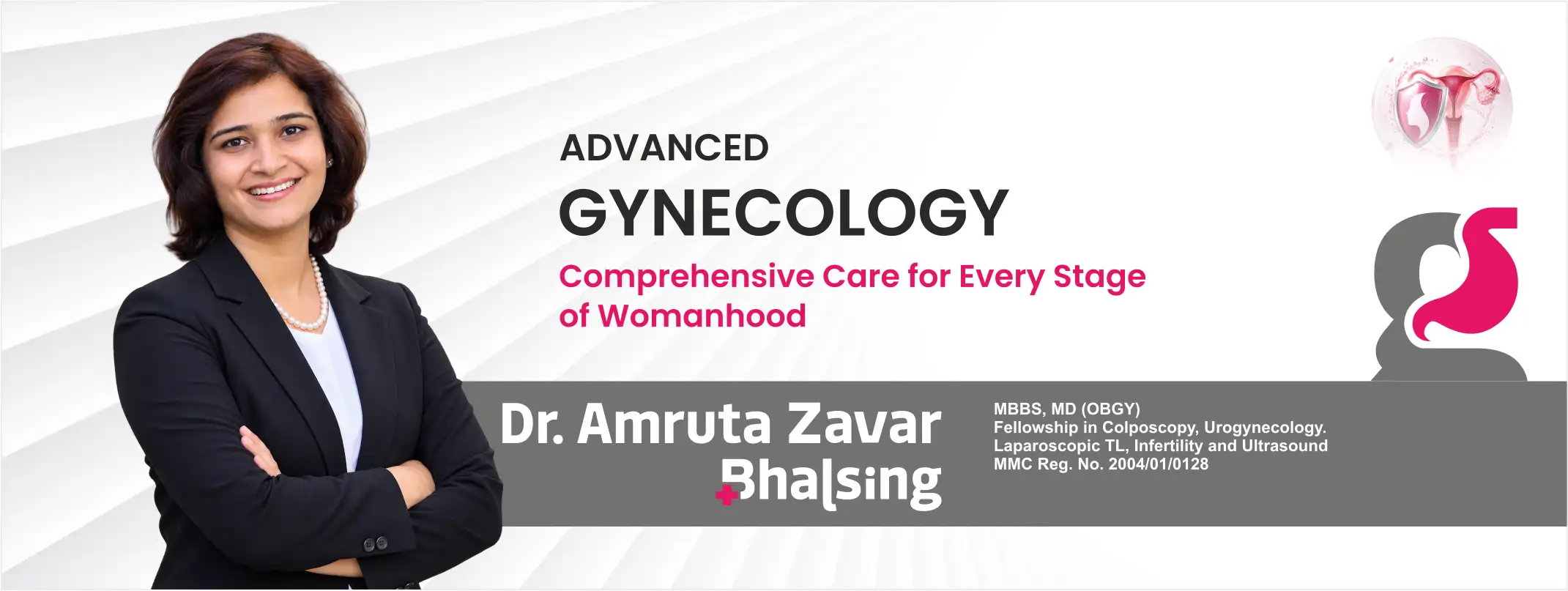
Dr. Amruta Zavar Bhalsing provides expert women's healthcare, including high-risk pregnancy management, painless delivery protocols, advanced gynecological laparoscopy (hysterectomy, ovarian cysts, fibroids), infertility workups, and cervical cancer screening with advanced Colposcopy.
Gastro Edge is located at Ground Floor, SPS Square, Balasaheb Thakre Marg, Osmanpura, Chh. Sambhajinagar. Clinic hours are Monday to Saturday: 10:00 AM to 8:00 PM. You can book an appointment via our website form, direct call, or WhatsApp at +91 8999 188 981.
Gastro Edge offers 24+ years of surgical gastroenterology leadership, an in-house non-invasive liver Fibroscan lab, advanced HD endoscopy suites, modular daycare surgical facilities, and comprehensive dual-specialist care for both digestive health and women's wellness under one roof.
Experience healthcare tailored specifically to you. Reach out to us for appointments or any medical inquiries.
Ground Floor, SPS Square, Osmanpura,
Chh. Sambhajinagar
+91 8999 188 981
Mon-Sat: 10:00 AM - 8:00 PM